
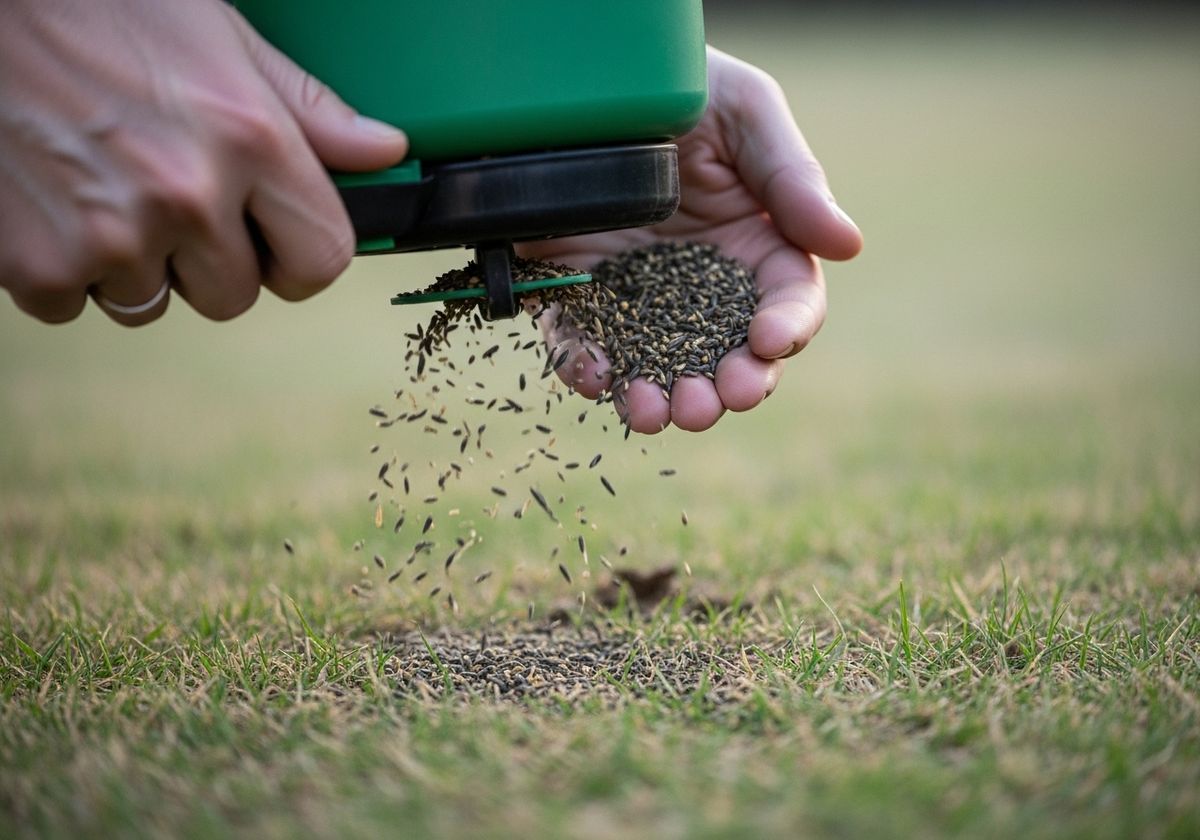
As the seasons transition, maintaining a lush, vibrant lawn requires proactive strategies. Overseeding is a powerful technique to revitalize your lawn, ensuring it stays healthy and resilient year-round. This involves spreading grass seed over an existing lawn to improve its density and color, as well as introduce more robust grass varieties. Let's explore how to effectively overseed your lawn and the benefits it brings.

Understanding Overseeding
Overseeding is more than just scattering seeds; it's a strategic approach to lawn care. It helps fill in bare patches, thickens thinning areas, and enhances the overall appearance of your lawn. By introducing new grass seeds, you can also improve your lawn's resistance to diseases and pests. This is particularly useful in combating the wear and tear from seasonal changes and regular use.
Benefits of Overseeding
Improved Density: Overseeding helps fill in sparse areas, creating a thicker, more uniform lawn.
Enhanced Color: Newer grass varieties often boast richer, deeper green hues, improving your lawn's aesthetic appeal.
Disease Resistance: Introducing new grass types can increase your lawn's resilience to common diseases.
Pest Resistance: Some grass varieties are more resistant to pests, reducing the need for chemical treatments.
Weed Control: A thick, healthy lawn naturally suppresses weed growth by competing for resources.
How to Overseed Your Lawn
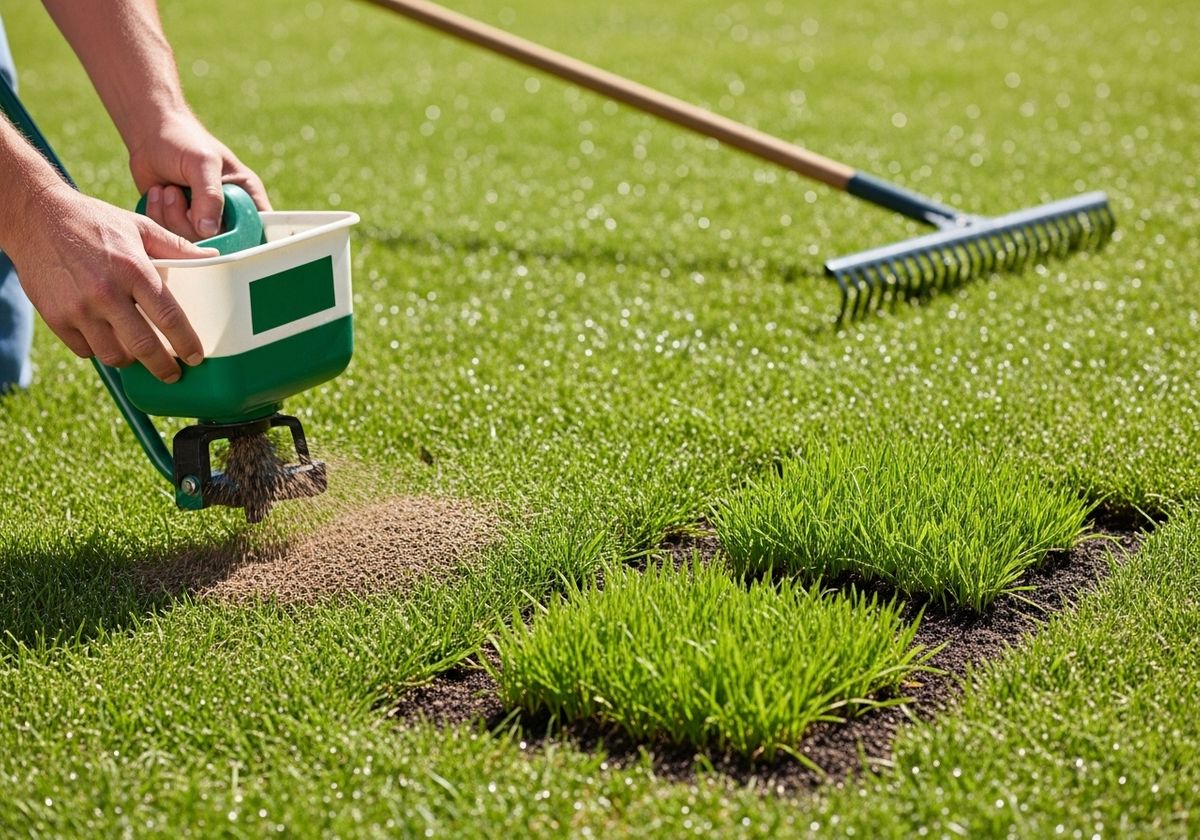
Prepare the Lawn: Mow the grass short and remove any debris, such as leaves or dead grass. Rake the area to loosen the soil and create a receptive seedbed.
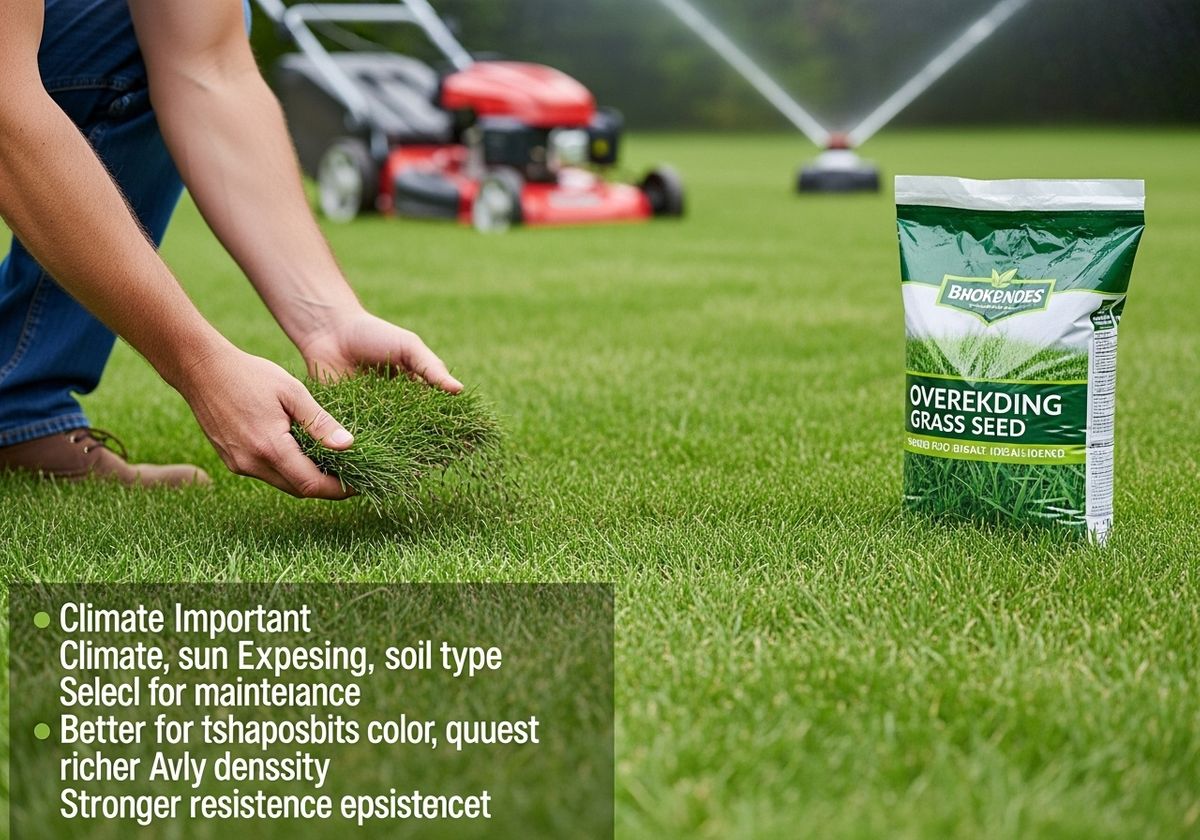
Choose the Right Seed: Select a grass seed that matches your existing lawn type and is suitable for your climate. Consider factors like sun exposure, soil type, and desired maintenance level.
Apply the Seed: Use a spreader to evenly distribute the seed across the lawn. Follow the recommended seeding rate on the seed package.
Fertilize: Apply a starter fertilizer to provide the new seedlings with essential nutrients.
Water: Keep the soil consistently moist but not waterlogged. Water lightly and frequently until the new grass is established.
Maintenance: Avoid heavy traffic on the newly seeded areas. Mow the new grass when it reaches the same height as the existing lawn.
Timing is Everything
The best time to overseed your lawn depends on your geographic location and grass type. In general, early fall or early spring are ideal times when the soil is warm, and moisture is plentiful. Cool-season grasses like ryegrass and fescue thrive in these conditions, while warm-season grasses benefit from late spring overseeding.
Choosing the Right Grass Seed
Selecting the appropriate grass seed is crucial for successful overseeding. Consider the following factors:
Climate: Choose a grass type that is well-suited to your local climate.
Sun Exposure: Select a seed mix that matches the amount of sunlight your lawn receives.
Soil Type: Different grass types prefer different soil conditions.
Maintenance Level: Some grasses require more frequent mowing, watering, and fertilization than others.
Overseeding is a simple yet effective way to maintain a healthy, attractive lawn. By following these techniques, you can ensure your lawn remains vibrant and resilient throughout the year. From improved density and enhanced color to increased disease resistance, the benefits of overseeding are numerous. For expert assistance in achieving a stunning and sustainable landscape, contact 1st Impression Turf. We specialize in delivering high-quality, environmentally friendly solutions tailored to your unique needs. Explore our artificial turf installation and drainage and irrigation services to transform your outdoor spaces into inspiring environments, creating lasting impressions, inside and out.